
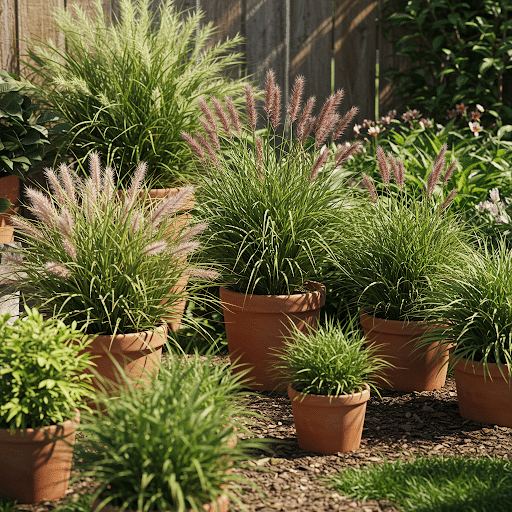
As we continue our way through an extremely dry Western Colorado winter, I’ve looked around my own yard and made some decisions about the year’s garden. In particular, I’m making changes to my potted annuals that I use to add color in between blooming seasons for my native shrubs and wildflowers. The water-wise tips for your potted plants, below, will help you keep beautiful color in your yard all season long while also being mindful of water use in our parched desert environment.
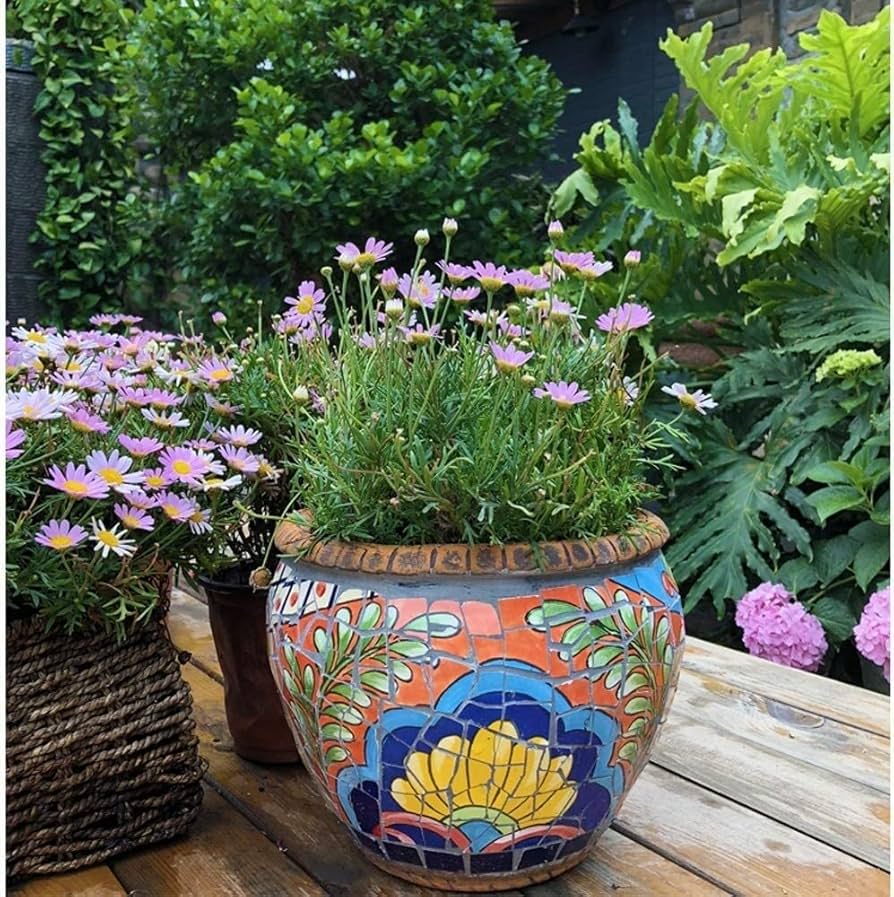
POT SIZE
Use fewer pots, but choose your largest ones. They hold water longer and mean you won’t have to water as often, even in the summer. If you have “self-watering” pots with a water chamber in the bottom, those are good choices as well.
SOIL & FILLER
Instead of adding extra peat or extra potting soil to your large pots, consider using pumice or perlite. These will still drain, but they hold moisture and sort of disperse it evenly throughout the pot. Then, instead of standard mulch top your pots with pea gravel or small rock mulch. This mimics the natural desert environment more, not only aesthetically, but biologically as well.
Gravel will slow evaporation but it also doesn’t hold moisture. This means the roots dry out between waterings, just like with desert plants. Standard bark mulch holds in more moisture and keeps the roots damp, which can actually cause more harm than good to your potted plants.
Plants
When you consider the actual plants you want to use in your 2026 Grand Junction Garden, consider their water needs and location in your yard, along with your own preferences.
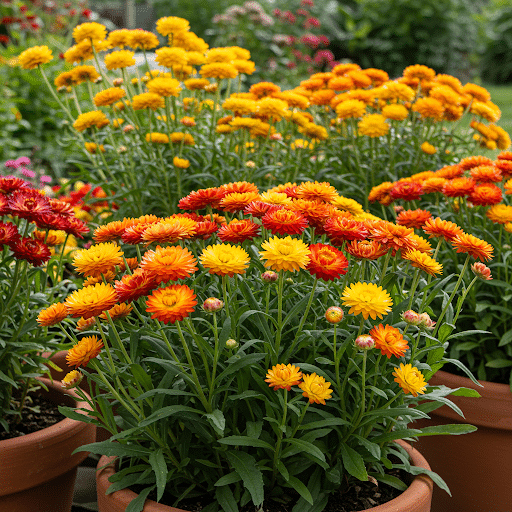
- Low Water Cutting Flowers: Zinnias, Cosmos, Globe Amaranth, Celosia and even Strawflowers
- “Filler” plants that happily work in most conditions like coreopsis or even petunias.
- Ornamental grasses make excellent “thrillers” for your pots and will often still produce small flowers.
- Consider shaded plants like pink polka dot plant, coral bells, or coleus.
- For edibles, it’s best to stick with herbs like thyme, oregano, chives, and rosemary. They are fairly drought tolerant and will still give you a beautiful herb garden!
Planning for a low-water season while also adding beauty and color to your yard can be tricky. For your in-ground plants, be sure to have a sprinkler system on a timer. Water deeply but less often.
For more advice contact us at (970) 234-9691.