
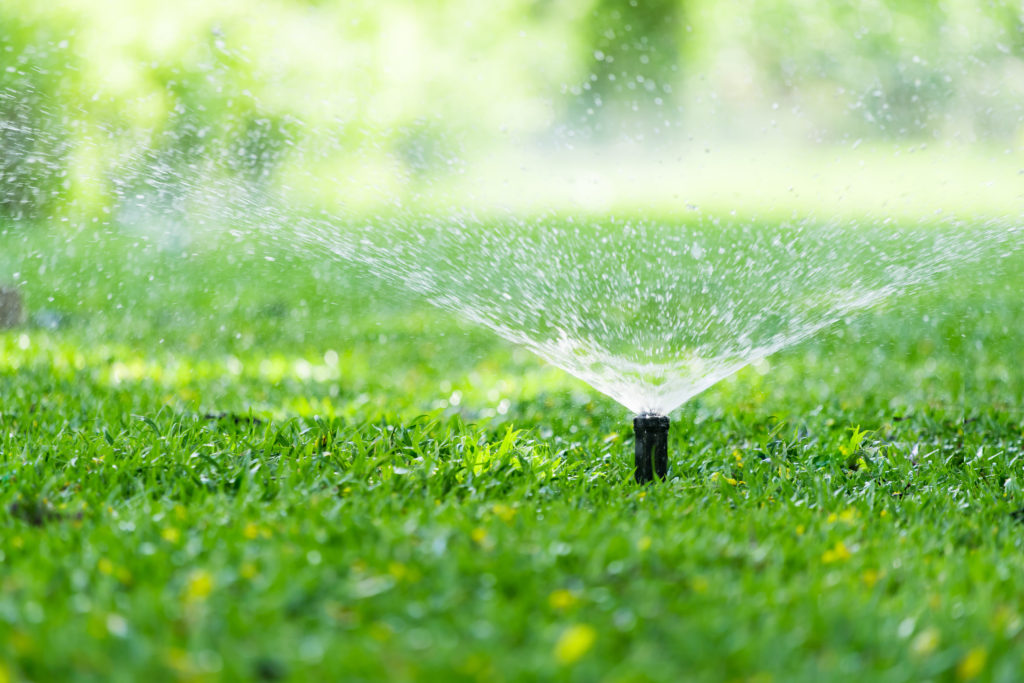
Even in “good” rain years, the semi-arid climate of the Western Slope means that our lawns and gardens won’t get the amount of water they need to thrive without a little help. Our intense sunny days combined with drying winds from the west only add to the need to help our plants and trees out with a little extra watering. Using a sprinkler system is one way to ensure that all areas of your yard receive the water they need while also preventing waste. A well-designed sprinkler system can go a long way towards giving you a beautiful and healthy Western Colorado landscape. These sprinkler system irrigation tips should help.

Water Deeply Not Frequently
If you’ve seen this before and thought, “What does that even mean?” we’re here to explain. There’s a very simple test that you can find online called the “tuna can” test. What you’re looking for is the amount of water you can collect in that can in a set amount of time. This will tell you how much water your lawn is getting, or your trees or whatever, in a set amount of time. You want to aim for 1″ of water per week for most parts of your yard and lawn.
Let’s say you run the sprinklers for 30 minutes and collect 1/2 an inch of water. That means that, twice a week, you need to run your sprinklers for 30 minutes in order to achieve the goal of 1″ of water per week.
Some of this is soil dependent: clay soil, for example, takes longer to absorb water, so you may start to see some runoff or puddling. You can always run the sprinklers for 15 minutes, pause, let the water soak in, and run them for another 15. With sandy soil you may have to increase frequency because that type of soil does drain quickly. Having your soil tested at our local extension office can help you better understand and modify your plants’ water needs. This is just one more way to have a healthy Western Colorado landscape.
Water in the morning
The best sprinkler system irrigation tip? Water at the right time of day.
Watering at the right time of day is crucial. Mornings are often best because plants have plenty of time to absorb moisture and there’s less evaporation from the sun. If you try to water in the late afternoons when it is hottest, your plants won’t have a chance to absorb as much water before it evaporates.
Unlike beneficial morning watering, giving your plants a drink in the evening can actually be harmful. If plants “go to sleep” with water still damp on their leaves and in the dirt around them, they’re more susceptible to fungus and molds. Those damp surfaces provide a great breeding ground for potential diseases and pests.
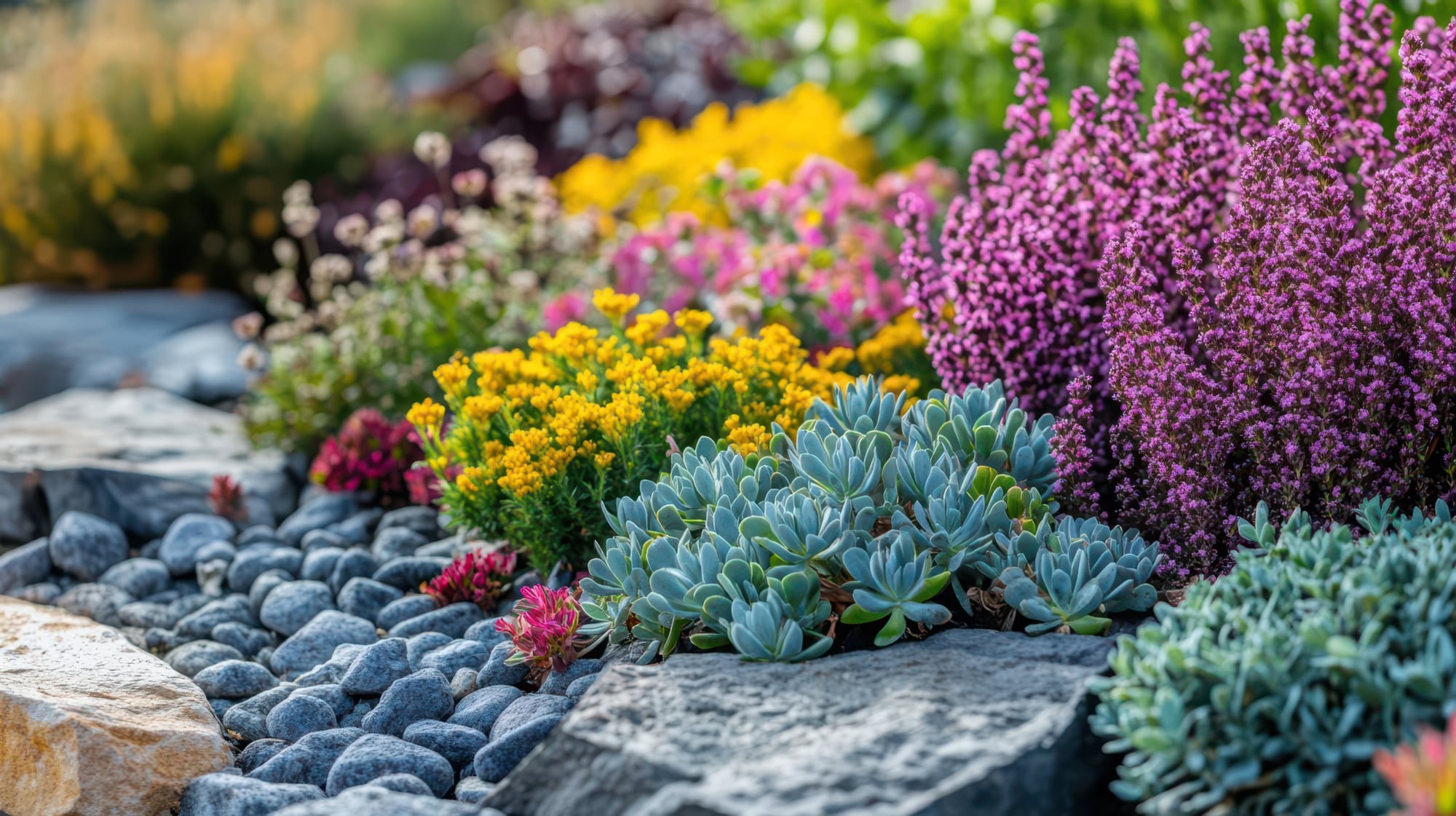
Match Plants and Water
If you’re able, set your sprinkler system up on “zones” that can be set separately. This way you can set your lawn “zone” to run for a certain number of minutes and set your “perennial shrub” sprinklers or vegetable garden sprinklers separately. Even if you have to do this manually, it can be worth it to make sure each type of plant is getting the right amount of water for its needs.
Check and Maintain your System
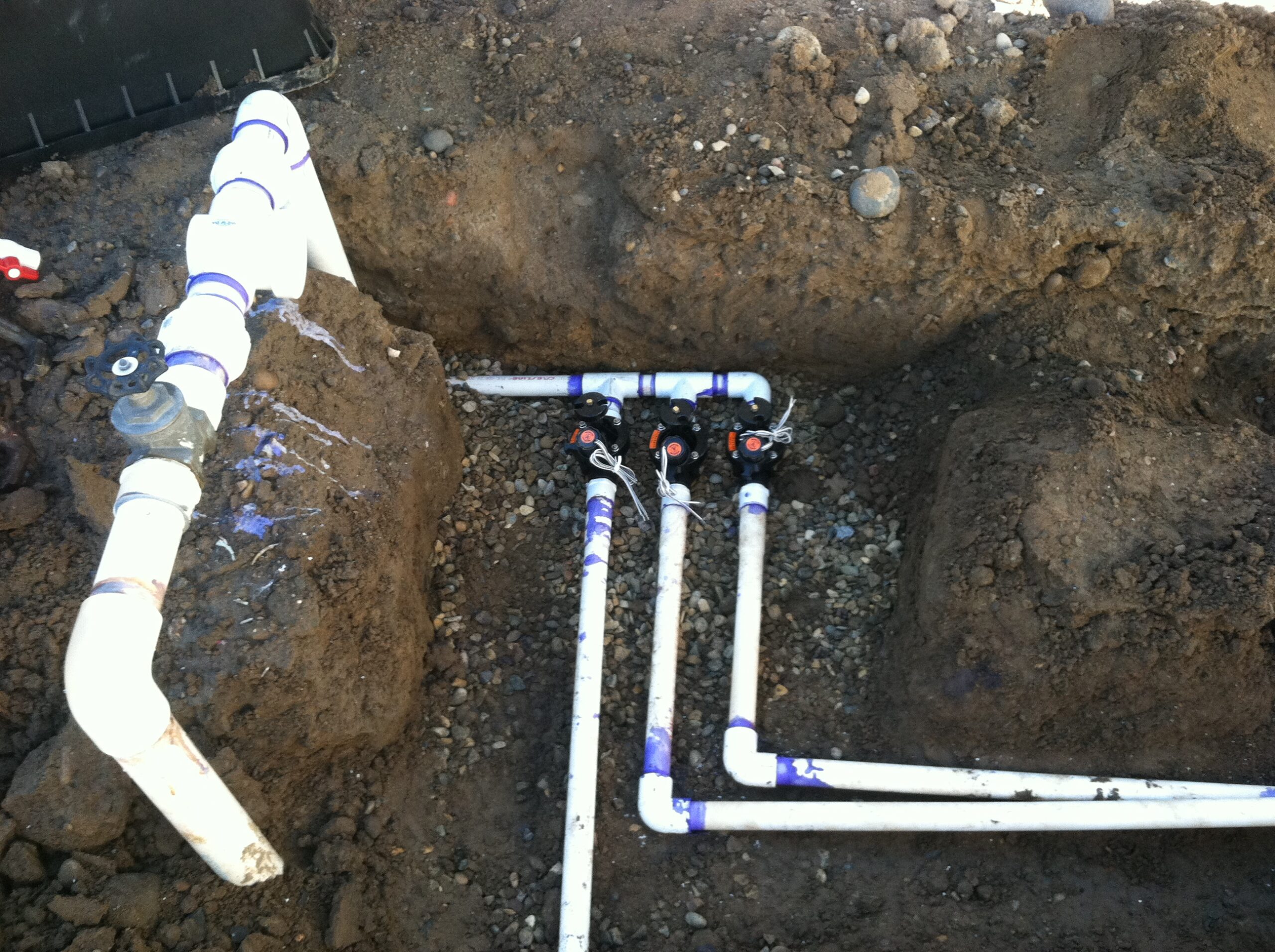
A leaky or broken sprinkler system is no fun for anyone. To prevent this, be sure to have your sprinkler system winterized each fall. This will ensure that no water is left in your lines to freeze, expand, and cause problems. Also, test your sprinkler heads each season to make sure they’re spraying properly and, during the first few times you use it, be sure to check for suspiciously wet areas. This can help you spot otherwise unnoticeable leaks.
We’re here to help.
Does something seem “off” with your sprinkler system? Are you noticing odd dry or wet patches? Higher than usual water bills? These can all be signs that you’ve got a water leak or other problem with your sprinkler system. At Maple Leaf Landscaping, we’re experts at diagnosing and fixing your sprinkler irrigation issues! Contact us today to get started.