
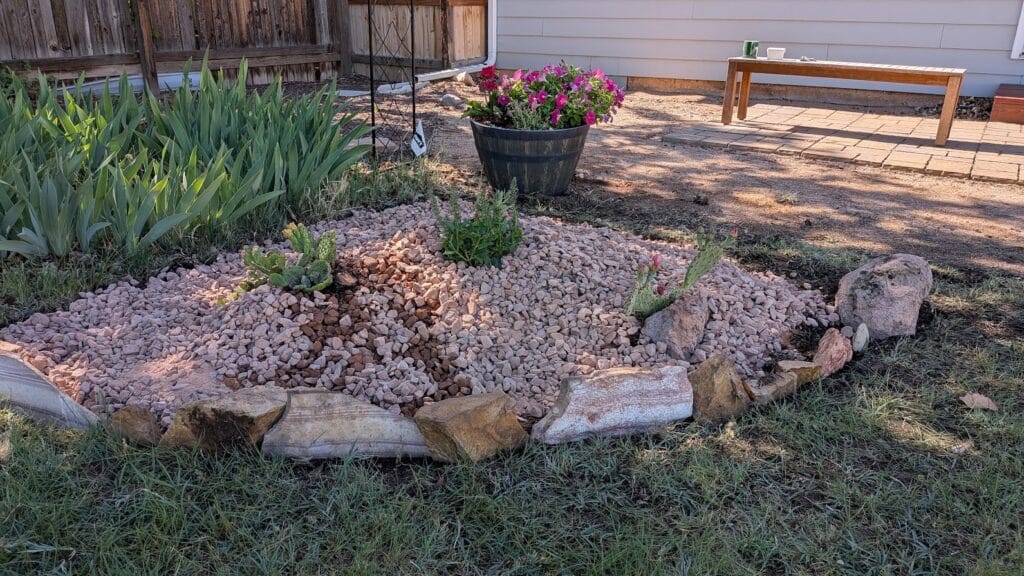
If the light snowfall (for some Grand Junction residents) this morning has you finally considering putting your garden and yard to bed for the winter, we’ve got a few western Colorado landscaping tips for you. Often our clients ask about cutting back perennials before winter. Which ones can hang on until spring, and which plants need trimming before the snow really falls? Check out our answers to these questions and more, below.
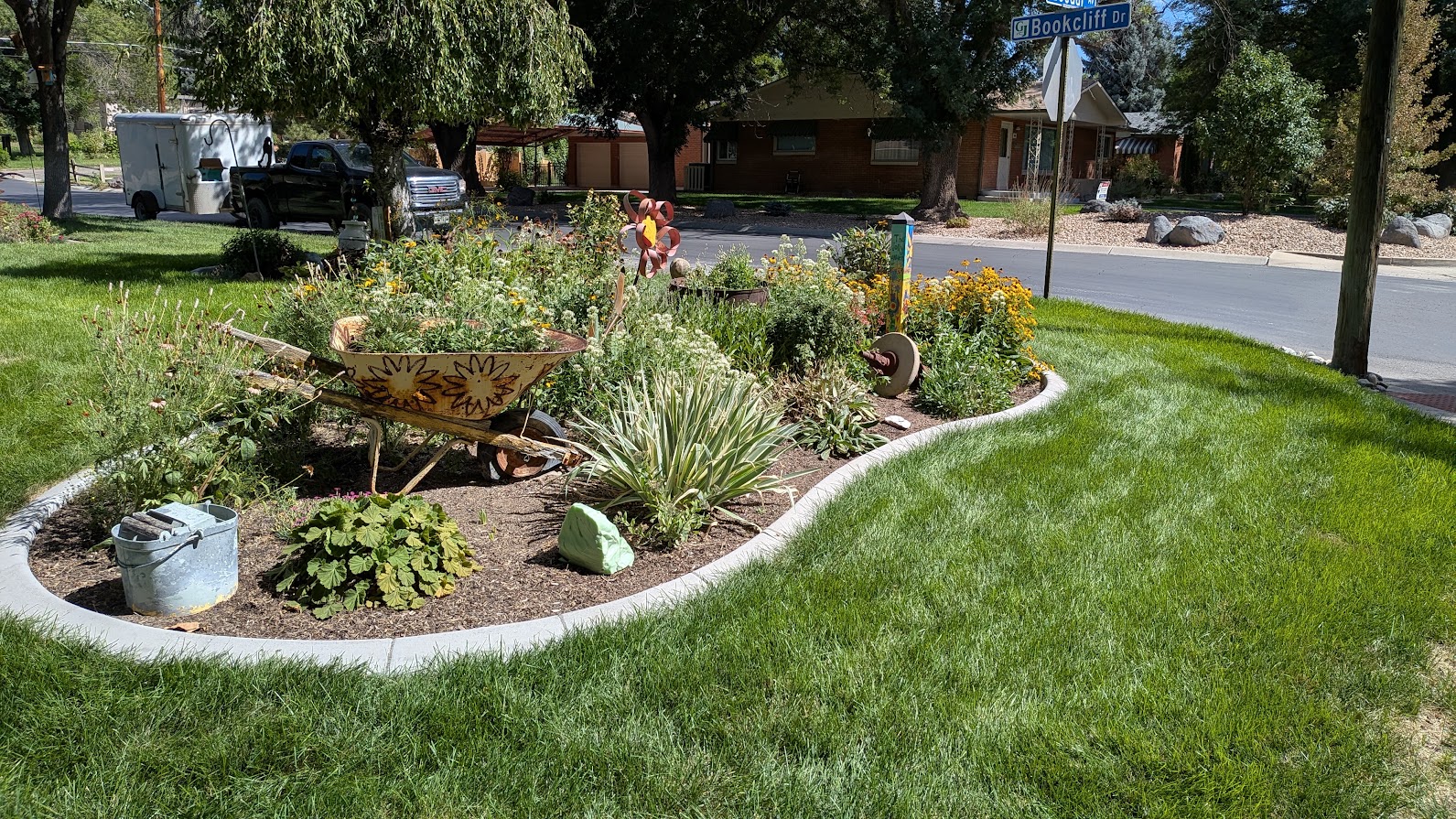
What to leave standing:
Ornamental grasses, coneflowers, black-eyed Susans, and other perennials that provide winter interest and wildlife habitat. In the photo above you can see several of the aformentioned plants. These can all remain as they are over the winter and there’s good reason to leave them. Birds will feed on the seeds from flowers long into winter and beneficial bugs will utilize the leaves and ground cover to overwinter.
Also, your spring flowering trees and shrubs are fine to leave over the winter. The best time to prune them is immediately after the bloom in the spring. This applies to lilacs, forsythia, etc. For those that bloom later in the summer, like potentilla, you can prune those in early spring, before they bloom.
What to cut back:
Anything diseased or absolutely dead, you can cut off or cut down. Iris fronds, once they turn brown in the fall, can be cut and cleared. I try to cut these with sharp garden shears so as not to damage the plants or rizomes. I also take this time to cut down any elm saplings that have sprung up and to generally clean up and tidy up the garden areas.
However, I’ve found that most Western Colorado perennial plants bring as much color and texture to your yard in winter as they do any other time of year. I try to limit my pruning to only necessary cut backs when possible.
Final Thoughts:
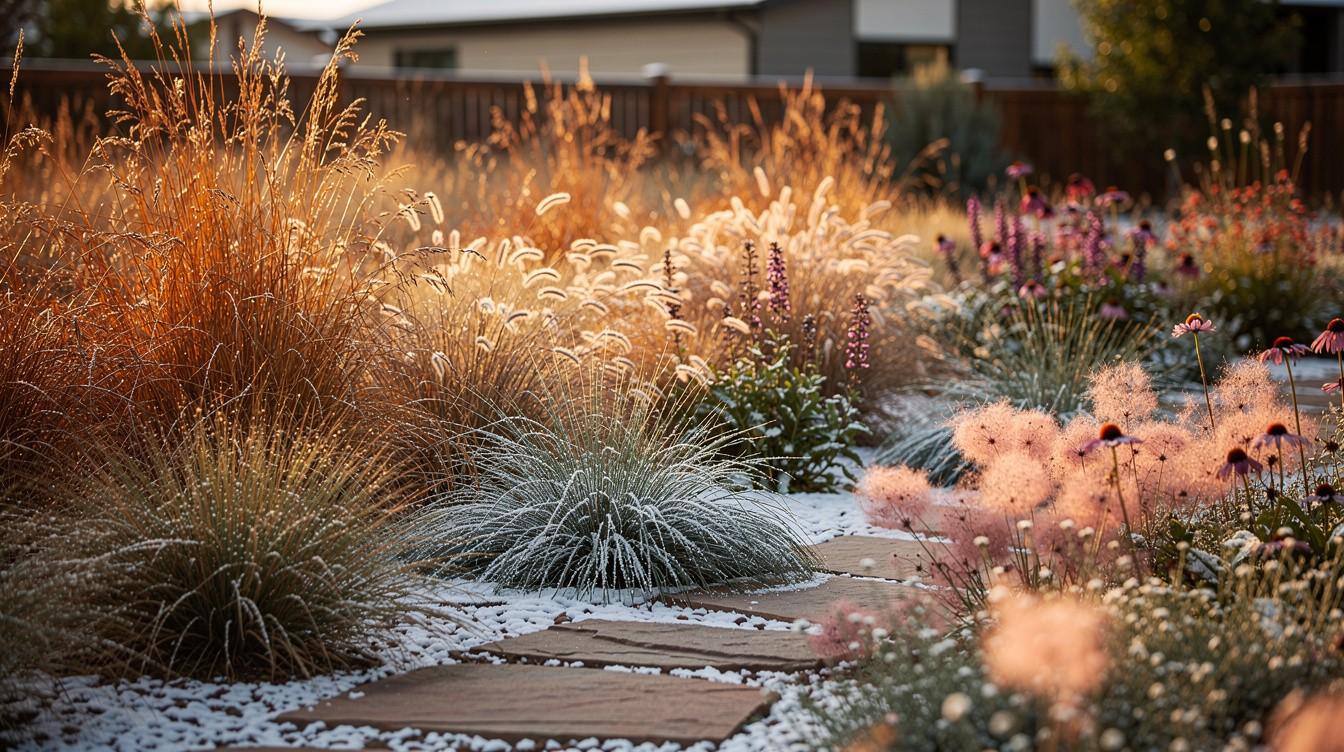
In Western Colorado, our temperatures stay on the moderate side most of the time. Your perennial herbs like chives, should winter just fine, as will most wildflowers and even desert cacti. Depending on the amount of snow we get, you may have to help your trees out over the winter. They’ll need water if it’s as dry as it as in 2025.
If you’re considering updating your Grand Junction landscaping this coming spring, be sure to let us know! Contact us here.