
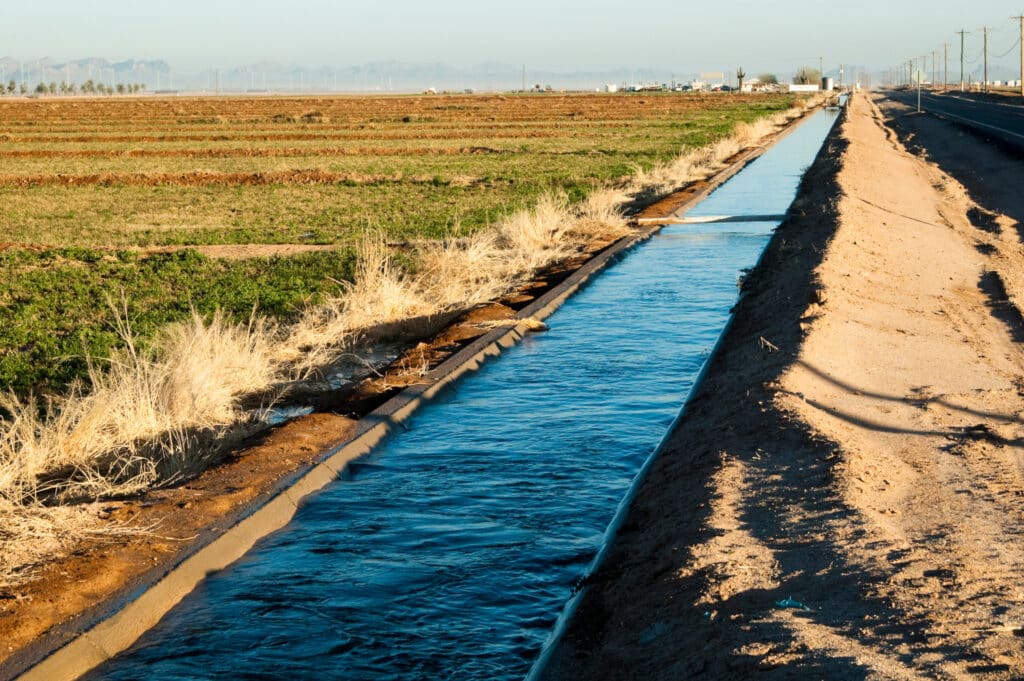
For many Western Colorado homeowners, fall usually means gradually cutting back on irrigation as temperatures cool. But this year, some local irrigation systems are expected to shut down earlier than usual, leaving homeowners wondering how to keep their landscapes healthy as we move into fall.
The good news is that your landscape’s water needs do decrease as temperatures cool—but they don’t disappear overnight. The key is to adjust your watering rather than simply stopping altogether. Before making changes to your irrigation schedule, check with your irrigation provider for the latest information about water availability and any restrictions. Local water supplies can change quickly, and Ute Water is encouraging customers to stay informed throughout the season.
Adjust Your Irrigation as Temperatures Cool
As fall temperatures arrive, plants generally lose less water through evaporation and transpiration. That means your irrigation system can gradually run less frequently. CSU Extension recommends reducing lawn irrigation in September and October and adjusting watering based on weather, soil conditions, and the type of landscape you have.
Rather than continuing your summer schedule until the irrigation water is gone, begin making seasonal adjustments now:
- Reduce watering frequency as temperatures cool.
- Pay attention to rainfall and skip irrigation when your landscape has received adequate moisture.
- Check the soil before watering. Don’t irrigate simply because the calendar says it’s time.
- Water during the cooler parts of the day to reduce evaporation and give water time to soak into the soil.
- Check your irrigation system for leaks, broken heads, and overspray so every gallon is going where it belongs.
- Consider prioritizing trees and shrubs over turf if water becomes limited.
Don’t Forget About Trees and Shrubs
One of the biggest mistakes homeowners can make in a dry fall is assuming that established plants no longer need supplemental water. Colorado’s dry fall and winter conditions can leave soil surprisingly dry, and trees and shrubs—especially newly planted ones—can suffer from prolonged drought stress.
CSU Extension recommends watering trees, shrubs, lawns, and perennials during prolonged dry periods in fall and winter. Newly planted trees are particularly vulnerable because their root systems are still developing.
Once regular irrigation is no longer available, you may need to supplement with a hose, soaker hose, or other appropriate method. Water slowly enough that moisture can penetrate the root zone rather than running off. For established trees, focus water within the tree’s root zone rather than simply watering around the trunk.
And remember: less frequent watering doesn’t mean less effective watering. Deep, thorough watering is generally more beneficial than frequent, shallow watering.

Preparing Your Landscape for Winter
If irrigation water ends early, don’t panic—but do have a plan. Continue monitoring your landscape through the fall and into winter. CSU Extension recommends watering during extended dry periods when air temperatures are above 40°F, the soil isn’t frozen, and there is little or no natural precipitation.
A layer of mulch around trees and shrubs can also help conserve soil moisture and protect roots from Colorado’s fluctuating temperatures.
The most important thing this fall is to water according to your landscape’s actual needs rather than following a summer irrigation schedule on autopilot. With irrigation supplies changing earlier than many homeowners are used to, a little planning can help protect your lawn, trees, shrubs, and perennial plantings while making the most of the water you have available.
If you’re unsure how to adjust your irrigation system for fall—or how to keep your landscape watered after your irrigation supply ends—Maple Leaf can help you develop a plan that makes sense for your property and your plants.